How To Clean Up System Files On Windows 11/10: Complete Guide
As time passes, a Windows computer slowly collects digital clutter. This happens even when you use it carefully. Windows creates many support files to keep things running. These files help with updates, error tracking, backups, and app activity. Once their task is complete, many of them are no longer needed. However, Windows does not always remove them automatically. They remain on the system drive and continue to grow.
When storage space starts shrinking, users often notice changes. The system may boot more slowly. File searches may take longer. Updates may fail due to low space. This is where cleaning system-level data becomes important. The goal is not just to free space, but to improve overall stability. When done using proper tools, the process is safe and effective for everyday users.
Windows 11 and Windows 10 include multiple options designed for this purpose. These options guide users step by step. They clearly explain what can be removed. No deep technical knowledge is required. With the right approach, you can regain storage, reduce clutter, and keep your system healthy without stress.
Common Questions About System File Cleanup
What are system files in Windows
System files are created by the operating system during normal use. They include update packages, temporary installation files, system logs, cached data, and recovery information. These files help Windows function properly during tasks like updates or troubleshooting. Many of them are only useful for a short time. After that, they stay unused unless removed.
Is it safe to delete system files
It is safe when removal is done through official Windows features. These features are designed to protect important components. They only select files that are no longer required. Deleting items manually from system folders can cause errors. Using guided tools greatly reduces risk.
Will cleaning system files make my PC faster
In many cases, yes. Performance improves when the system has more free space to work with. Background tasks run more smoothly. Updates complete faster. While it does not replace hardware upgrades, it helps the system operate more efficiently.
How often should system files be cleaned
There is no strict rule. Most users can do it once every two or three months. Systems that receive frequent updates or heavy app usage may benefit from monthly checks. Doing it too often is unnecessary.
Precautions Before You Start
Before starting any cleanup task, it is important to slow down and prepare. Even safe tools need thoughtful use. Windows protect most critical areas, but users still need to make informed choices. A few simple precautions help avoid problems later.
Preparation also ensures smoother results. Closing open programs prevents conflicts. Making backups offers peace of mind. These steps take little time but add strong protection. Treat system maintenance like routine care rather than an emergency task.
Precautions to follow
- Create a restore point: This allows you to return the system to an earlier state if something unexpected happens. It acts as a safety net and gives peace of mind before making any system-level changes.
- Avoid third-party cleaners: Some external tools remove files aggressively without proper explanations. This can lead to system errors or unstable behavior. Built-in Windows tools are safer and more predictable.
- Read each option carefully: Always take time to review file categories shown during cleanup. Understanding what is being removed helps avoid accidental deletion of useful system data.
- Do not rush the process: Let the cleanup finish fully without closing windows or shutting down the system. Interrupting the process may cause incomplete cleanup or temporary errors.
- Check available disk space first: Knowing your current storage usage helps you see how much space is recovered afterward. It also helps identify if cleanup is actually needed.
- Do not delete personal folders: System cleanup should focus only on system-related files. Personal documents, photos, and videos should never be part of this process.
- Keep your system updated: Updated Windows versions manage files better and fix known cleanup issues. Updates also improve overall system safety during maintenance.
- Restart after cleanup: Restarting allows Windows to apply changes correctly. It helps clear temporary memory and ensures the system runs smoothly after cleanup.
How To Clean Up System Files On Windows 11/10
Windows offers several built-in methods to handle unnecessary system data. These methods are designed for different needs. Some focus on automatic cleanup. Others provide manual control. Together, they give users flexibility without complexity.
It is not required to use every method at once. Choose what fits your comfort level. Beginners may prefer graphical tools. Experienced users may try command-based options. Each approach described below is safe when followed correctly.
Method 1: Disk Cleanup Tool
The Disk Cleanup tool is one of the most reliable features available in Windows. It has been part of the operating system for many years and is still widely used today. This tool scans your system drive and looks for files that Windows no longer needs. It then groups them into clear categories so users can understand what will be removed.
This method is ideal for users who want a simple and guided cleanup process. Everything is presented in a clean list with short descriptions. You stay in control of what gets deleted. Because it is a built-in Windows utility, it is considered very safe for regular maintenance.
Why use this method
- Removes leftover update data
- Clears temporary operating files
- Frees space quickly
- Very easy for beginners
- Trusted Windows feature
Steps
- Use the Windows Search Bar. Search for Disk Cleanup and open it.
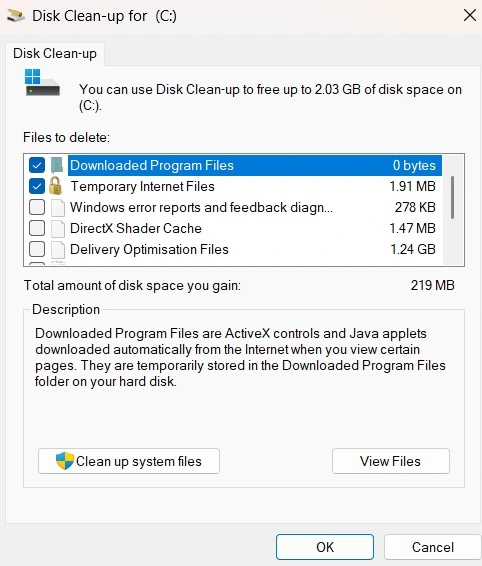
- Choose the system drive and select system-level items.
Method 2: Storage Sense
Storage Sense is a modern cleanup feature designed for convenience. Instead of waiting for the user to start cleanup manually, it works in the background. It automatically removes unnecessary temporary files based on the rules you choose. This makes it helpful for people who prefer a hands-off approach.
This method is especially useful for laptops and smaller storage drives. It prevents space from filling up silently. Once configured, it keeps storage balanced without constant attention. Users can still run it manually whenever needed.
Why use this method
- Works automatically
- Reduces manual maintenance
- Manages temporary data
- Helps keep the disk organized
- Saves time
Steps
- Open Settings and go to Storage.
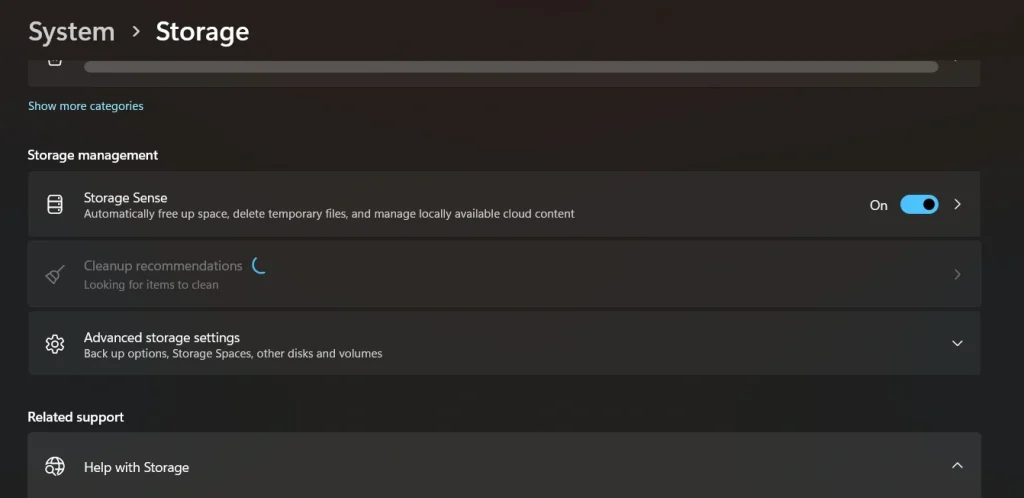
- Enable Storage Sense and run it once manually.
Method 3: Settings Temporary Files
The Temporary Files section in Windows Settings offers a clear and visual way to manage storage. It shows a detailed breakdown of different file types and how much space each one uses. This helps users understand where storage is being consumed before removing anything.
This method is easy to navigate and beginner-friendly. It avoids technical language and presents everything in one place. Because Windows filters the files automatically, users can clean safely without worrying about deleting important system components.
Why use this method
- Easy to understand layout
- Shows file size details
- Safer than manual deletion
- Quick cleanup option
- Built into Settings
Steps
- Open Settings and select Storage.
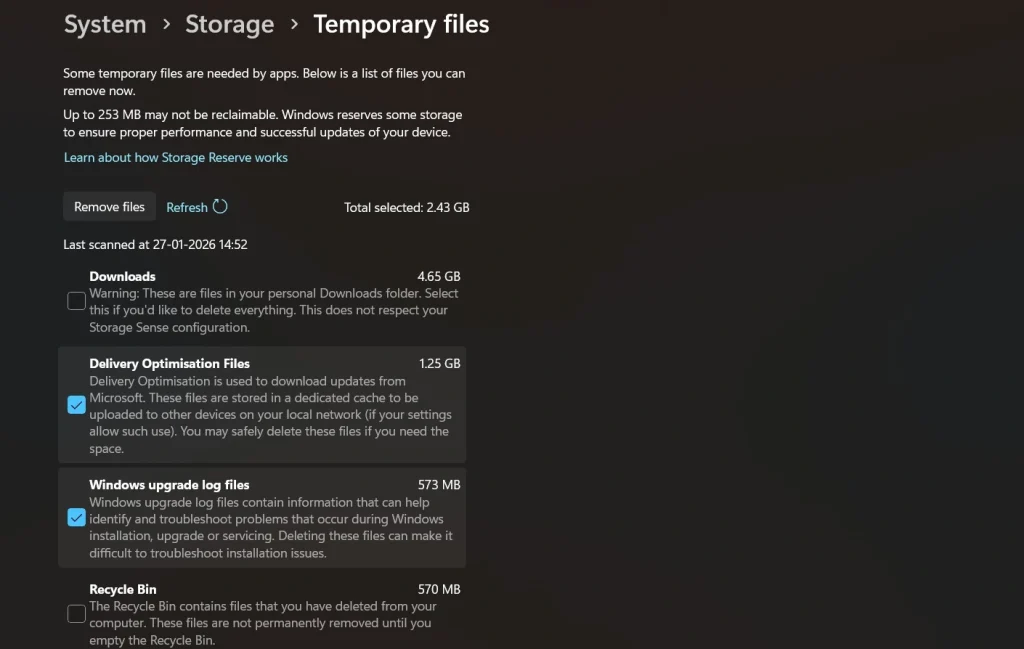
Click Temporary Files and confirm removal.
Method 4: Command Prompt Cleanup
Command Prompt cleanup uses text-based commands to access Windows cleanup features. It does not rely on menus or visual tools. This makes it useful when the system is slow or when graphical tools are not responding properly. It still uses official Windows functions in the background.
This method is better suited for users who are comfortable typing basic commands. While it works quickly, attention is important. Using only trusted commands ensures the process remains safe and effective.
Why use this method
- Works without a graphical interface
- Faster execution
- Useful for troubleshooting
- Precise control
- Always available
Steps
- Open Command Prompt as administrator.
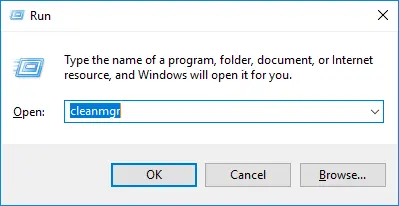
- Type cleanmgr and follow the instructions.
Method 5: Windows Update Cleanup
Windows updates often leave behind old files after installation. These files help during the update process but are not needed later. Over time, they can take up a large amount of disk space, especially on systems that receive frequent updates.
This method focuses specifically on removing those outdated update files. It does not affect current updates or security patches. It is very useful after major system upgrades and helps keep future updates running smoothly.
Why use this method
- Frees large amounts of space
- Removes outdated updates
- Helps future updates install smoothly
- Safe and recommended
- Uses trusted tools
Steps
- Open Disk Cleanup and choose system options.
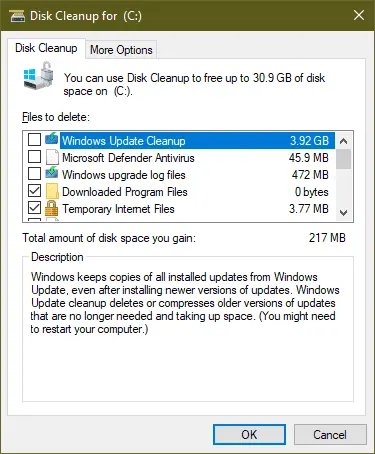
- Select update related files and confirm.
Author’s Tip
Many people delay system maintenance because they fear breaking something. This fear is understandable. However, Windows tools are designed to protect important areas. They rarely allow deletion of files that the system actively needs. Trust the built-in guidance and read labels carefully.
Think of maintenance as regular care. Just like cleaning a desk improves focus, clearing digital clutter improves system behavior. Make it a habit rather than a reaction to problems. This approach keeps your computer reliable and stress-free.
Conclusion
Every Windows system collects extra data over time. This happens through updates, app installations, system logs, and background tasks. It is normal and expected behavior. When this data is ignored for too long, storage space slowly disappears. The system may take longer to start. Some features may respond slowly. In certain cases, updates may fail because there is not enough free space. Addressing the issue early prevents these problems and helps the system stay smooth and responsive.
By following safe methods and simple precautions, users can manage system storage with confidence. There is no need for complex tools or risky shortcuts. The features built into Windows are designed for regular users and offer clear guidance. When cleanup becomes a routine habit, the computer stays efficient and stable. It remains ready for everyday tasks without unnecessary slowdowns or storage warnings.
FAQs
Does system cleanup delete updates?
System cleanup does not remove active or required updates. Windows only deletes outdated update files that are no longer needed by the system. These files are usually left behind after successful installations. Removing them does not affect security, system stability, or future updates.
Can a cleanup affect an installed program?s
Installed programs remain safe during system cleanup. The process focuses only on temporary and unused system-related files. Applications, their settings, and saved data are not touched. As long as built-in Windows tools are used, there is no risk to installed software.
Is cleanup needed on SSDs
Cleanup is still important on SSDs, even though they are faster. Free space allows the drive to manage data more efficiently. It also helps maintain long term performance and reduces unnecessary write activity over time.
Popular Post
Recent Post
How To Clear Browser Cache On Windows 11/10 [Chrome, FireFox, Edge]
Learn how to clear browser cache on Windows 11 and 10. Follow simple steps to clean browser cache, fix slow browsing, and improve performance easily.
How To Clear Cache Memory On Windows 11/10 [2026]
Learn how to clear cache memory on Windows 11/10 using safe built-in methods to improve speed, free space, and maintain smooth system performance.

Windows Installer Cleanup Utility: Complete Review And Alternatives
Detailed review of Windows Installer Cleanup Utility, reasons for removal, risks, and safer modern alternatives explained clearly.

How To Clean Junk Files On Windows 11/10
Learn how to clean junk files on Windows 11 and 10 using safe, simple steps to boost speed and free storage space effectively.

Clearing App Cache Data on Windows 11/10: Complete Guide
Learn how to safely clear app cache on Windows 11 and 10 to fix slow apps, free disk space, and improve overall system performance.
How To Clean Up System Files On Windows 11/10: Complete Guide
Explore a step-by-step guide explaining how Windows users can safely remove unnecessary system data using built-in tools.
How To Clean a Laptop Fan Without Opening [2026 Guide]
Learn how to clean a laptop fan without opening the device using safe steps, simple tools, and easy methods for better cooling.
How to Clear the Queue in the Printer Automatically in 2026
Learn how to clear the queue in the printer with simple steps. This easy guide explains why print jobs get stuck and how to fix them safely for smooth printing.
How To Clear Delivery Optimization Cache In Windows
Learn how to clear Delivery Optimization Cache in Windows safely and easily. This guide explains steps, precautions, benefits, and FAQs to free space and avoid update issues.
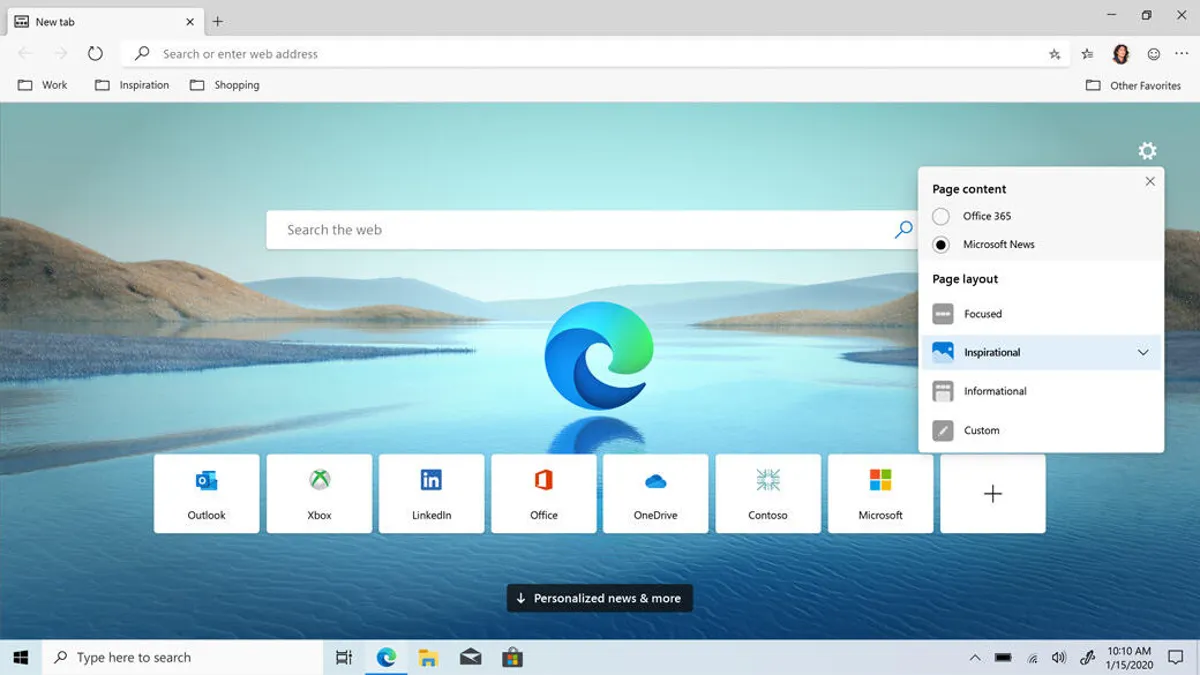
How To Clear Cache in Edge [Windows 11/10]: Latest Guide
Learn how to clear cache in Edge on Windows 11 and Windows 10. Step by step guide with precautions, FAQs, and tips to fix slow pages and errors.
