How To Take Screenshot On Windows 11 – Top 3 Ways

Last updated on October 27th, 2025 at 9:41 am
Capturing screenshots is a handy function on any computer. Windows 11 provides multiple methods to take screenshots. This guide will introduce you to the top three approaches. Whether you’re preserving vital information or sharing something entertaining, knowing how to take screenshots on Windows 11 is crucial.
Screenshots can capture your entire screen or just a part of it. Windows 11 makes it easy with built-in tools. Screenshots can be saved and shared instantly. You don’t need any special software to take screenshots on Windows 11. It’s simple and quick.
In this article, you’ll learn how to take screenshot on Windows 11. We’ll cover three easy methods. You’ll also get some pro tips to make the process even smoother.
Let’s get started!
Part 1: How to Take Screenshot on Windows 11: 3 Best Methods
Taking screenshots on Windows 11 is a useful skill. There are multiple ways to do it, but we’ll focus on the top three methods. Each method offers its unique advantages, depending on what you need to capture.
Using Snipping Tool:
The Snipping Tool is a built-in application in Windows that offers great versatility and ease of use. With this tool, you can effortlessly capture the entire screen, a specific window, or a custom area that you select. It’s designed to accommodate various screenshot needs, making it a valuable tool for users.
Step 1: Press Windows + Shift + S. Select the area to capture.

Step 2: The screenshot is saved to the clipboard. Open any image editor and paste it to save.
Pros:
- Versatile: Offers various capture modes (full screen, window, rectangular, freeform).
- Built-In: No need to install additional software.
- Delay Feature: Allows capturing dropdown menus and tooltips.
Cons:
- Extra Steps: Requires pasting into an image editor to save.
- Manual Saving: Screenshots are not automatically saved.
Using Print Screen Key (PrtScn):
The Print Screen key is a quick way to capture your entire screen. This method is great for capturing full-screen content instantly.
Here’s how to take a screenshot on Windows 11:
Step 1: Press PrtScn to capture the entire screen. Open an image editor like Paint.

Step 2: Paste the screenshot and save it.
Pros:
- Quick: Captures the entire screen instantly with one key press.
- Easy to Use: Simple and straightforward method.
- No Extra Tools Needed: Works without opening any additional applications.
Cons:
- Requires Editing: Needs to be pasted into an image editor for saving.
- Entire Screen: Captures everything visible on the screen, which may require cropping.
Using Windows + Print Screen:
This method combines the speed of the Print Screen key with the convenience of automatic saving. It’s perfect for when you need to take multiple screenshots in a row.
Steps:
Step 1: Press Windows + PrtScn together. The screen dims briefly.

Step 2: The screenshot is saved in the Screenshots folder in Pictures.
Pros:
- Automatic Saving: Screenshots are automatically saved in the Screenshots folder.
- Quick: Captures the entire screen with a single shortcut.
- Organized: Screenshots are stored in a dedicated folder for easy access.
Cons:
- No Editing Options: Lacks built-in editing features.
- Entire Screen: Captures everything visible on the screen, which may require cropping or editing later.
Part 2: Pro Tips to Take Screenshot on Windows 11
Now that you know the basic methods, let’s dive into some pro tips. These tips will help you take better screenshots and make the process even smoother. From using additional features to optimizing your workflow, these tips will enhance your screenshot experience.
Let’s get started!
- Use the Delay Feature: Utilize the delay option in the Snipping Tool to capture dropdown menus or tooltips. Set a delay time, then navigate to the menu or tooltip before the screenshot is taken.
- Freeform Snip: Choose the freeform snip option in the Snipping Tool to draw a custom shape around the area you want to capture. This is great for irregularly shaped objects.
- Built-In Editors: After taking a screenshot, use built-in editors like Paint or Snip & Sketch to crop, highlight, or annotate. Add arrows, text, or shapes to emphasize important parts.
- Third-Party Tools: Consider using third-party tools like Greenshot or Lightshot for advanced editing options. These tools offer additional features like image resizing, filters, and more.
- Memorize Shortcuts: Familiarize yourself with the various screenshot shortcuts available on Windows 11. This will save you time and make the process more efficient.
- Practice Shortcuts: Practice using screenshot shortcuts to get comfortable with them. The more you use them, the quicker you’ll become at taking screenshots.
- Organize Screenshots: Create specific folders for different types of captures to organize your screenshots. This makes it easier to find and manage your screenshots later.
Conclusion
Taking screenshots on Windows 11 is a breeze. With these three methods, you’ll learn how to take screenshot on Windows 11. Screenshots are great for documentation, troubleshooting, and sharing moments. Windows 11 makes the process simple and efficient.
Screenshots help in various scenarios. Whether you need to save a webpage, an error message, or a chat, taking screenshots on Windows 11 will make your life easier. Using the Snipping Tool, Print Screen key, or Windows + Print Screen shortcut, you’ll have all the options you need.
Practice taking screenshots on Windows 11 to get comfortable with the process. The more you use these methods, the easier it will become. Start using these tips today and enhance your productivity. Happy screenshotting!
FAQs:
How To Take a screenshot of a specific window on Windows 11?
To take a screenshot of a specific window on Windows 11, use the Alt + PrtScn keyboard shortcut. This captures only the active window, which is useful when you don’t want to capture the entire screen. After pressing the keys, open an image editor like Paint, paste the screenshot using Ctrl + V, and then save it. This method ensures that only the window you need is captured, keeping your screenshots clean and focused.
Where are my screenshots saved on Windows 11?
Screenshots taken using the Windows + PrtScn shortcut are automatically saved in the Screenshots folder within the Pictures directory. This feature helps you easily locate all your screenshots in one place without manually saving them. If you’re using other methods like the Snipping Tool or PrtScn, you need to paste the screenshot into an image editor and choose where to save it. Keeping your screenshots organized in dedicated folders can make them easier to find and manage.
Can I edit my screenshots on Windows 11?
Yes, you can edit your screenshots on Windows 11 using built-in apps like Paint, Snip & Sketch, or Photos. These tools allow you to crop, annotate, and highlight important parts of your screenshots. For more advanced editing options, you can use third-party software such as Greenshot or Lightshot. These programs offer features like adding arrows, text, shapes, and even resizing images, helping you create professional-looking screenshots for any purpose.
How can I take a screenshot of a dropdown menu on Windows 11?
To take a screenshot of a dropdown menu on Windows 11, use the Snipping Tool’s delay feature. Open the Snipping Tool, select “Delay,” and choose the time delay (e.g., 3-5 seconds). After setting the delay, click “New” and quickly navigate to the dropdown menu you want to capture.
The Snipping Tool will activate after the delay, allowing you to capture the menu while it’s open. This method is perfect for capturing menus and tooltips that disappear when you click away.
Popular Post
Recent Post
How To Clear Cache Memory On Windows 11/10 [2026]
Learn how to clear cache memory on Windows 11/10 using safe built-in methods to improve speed, free space, and maintain smooth system performance.

Windows Installer Cleanup Utility: Complete Review And Alternatives
Detailed review of Windows Installer Cleanup Utility, reasons for removal, risks, and safer modern alternatives explained clearly.
How To Clean Junk Files On Windows 11/10
Learn how to clean junk files on Windows 11 and 10 using safe, simple steps to boost speed and free storage space effectively.

Clearing App Cache Data on Windows 11/10: Complete Guide
Learn how to safely clear app cache on Windows 11 and 10 to fix slow apps, free disk space, and improve overall system performance.
How To Clean Up System Files On Windows 11/10: Complete Guide
Explore a step-by-step guide explaining how Windows users can safely remove unnecessary system data using built-in tools.
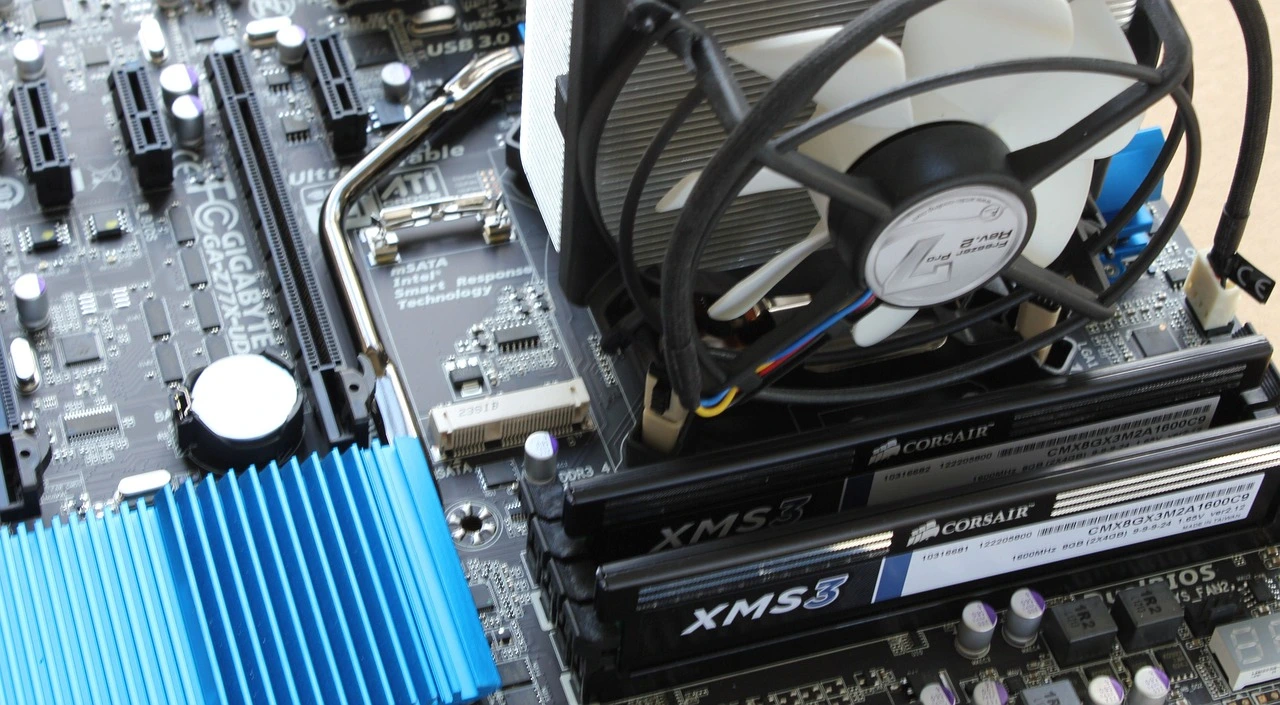
How To Clean a Laptop Fan Without Opening [2026 Guide]
Learn how to clean a laptop fan without opening the device using safe steps, simple tools, and easy methods for better cooling.
How to Clear the Queue in the Printer Automatically in 2026
Learn how to clear the queue in the printer with simple steps. This easy guide explains why print jobs get stuck and how to fix them safely for smooth printing.
How To Clear Delivery Optimization Cache In Windows
Learn how to clear Delivery Optimization Cache in Windows safely and easily. This guide explains steps, precautions, benefits, and FAQs to free space and avoid update issues.
How To Clear Cache in Edge [Windows 11/10]: Latest Guide
Learn how to clear cache in Edge on Windows 11 and Windows 10. Step by step guide with precautions, FAQs, and tips to fix slow pages and errors.

Top 15 Questions About PC Cleaning and Their Answers
Learn safe and simple ways to clean your PC. This guide answers top questions, covers precautions, and gives advanced tips for better PC health and performance.
