How to Fix Downloads Folder Not Responding on Windows
Introduction:
The Downloads folder on our Windows computers serves as a crucial hub for storing all the files we acquired from the web. Whether it’s important documents, entertaining videos, or software installations, this folder plays a vital role in organizing and accessing our digital content.
However, encountering the downloads folder not responding issue can be frustrating and disruptive to our workflow. You might find yourself staring at an unresponsive window, waiting for it to load, or experiencing sluggishness and delays when trying to access or manage files within the folder. Rest assured, you are not alone in facing this issue.
In this comprehensive guide, we will explore the common causes behind a non-responsive Downloads folder on Windows and provide you with practical solutions to get it back up and running smoothly.
How to Fix Downloads Folder Not Responding Issue
Whether you are a novice Windows user or a tech-savvy individual, this article aims to offer step-by-step instructions and troubleshooting tips to resolve this vexing problem.
Solution 1: Run the SFC Scan
One of the first steps to troubleshoot an unresponsive Downloads folder on your Windows computer is to run the System File Checker (SFC) scan. This built-in Windows utility scans for corrupted or missing system files and attempts to repair them. Follow these steps to run the SFC scan:
Step 1: Press the Windows key + X on your keyboard to open the Power User menu. From the menu, select “Terminal (Admin)”. This will open an elevated Command Prompt window.

Step 2: In the Command Prompt window, type the following command and press Enter:
sfc/scannow

Step 3: Once the scan is complete, you will see the scan results. If the SFC scan detects any problems with your system files, it will attempt to repair them automatically.
Step 4: After the repair process finishes, restart your computer and check if the Downloads folder is now responsive.
If this solution doesn’t fix the problem, proceed to the next solution.
Solution 2: Customize Folder Properties
An alternative method to resolve the Downloads folder not responding issue is by adjusting the folder’s properties settings and restoring its functionality.
Follow these steps to change the properties settings:
Step 1: Right-click on the Downloads folder and select “Properties.”
Step 2: In the Properties window, navigate to the “Customize” section.
Step 3: From the “Optimize this folder for” menu, choose “Documents.”

Step 4: Tick the checkbox that says “Also apply this template to all subfolders.”
Step 5: Click “Apply” to save the changes.
By modifying the properties settings and applying the template to all subfolders, you can potentially fix the unresponsiveness of the Downloads folder.
Solution 3: Run the CHKDSK Utility
If the Downloads folder continues to be unresponsive, running the CHKDSK (Check Disk) utility can help identify and fix any errors or inconsistencies in your disk drive. Follow these steps to run CHKDSK to resolve the Windows 10 download folder not responding issue.
Step 1: Tap on the search box placed on the Taskbar, and type “Command Prompt”. Select “Run as administrator” to launch Terminal in admin mode.
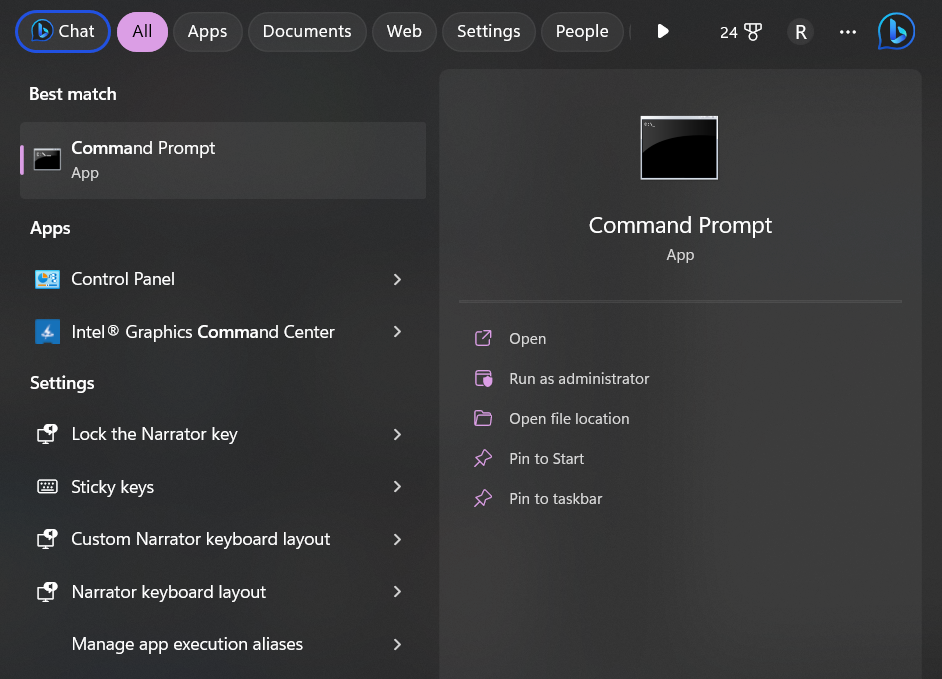
Step 2: Enter the command: chkdsk C: /f /r (replace “C:” with your drive letter if needed).
Schedule a disk check on the next system restart (type “Y” and press Enter).
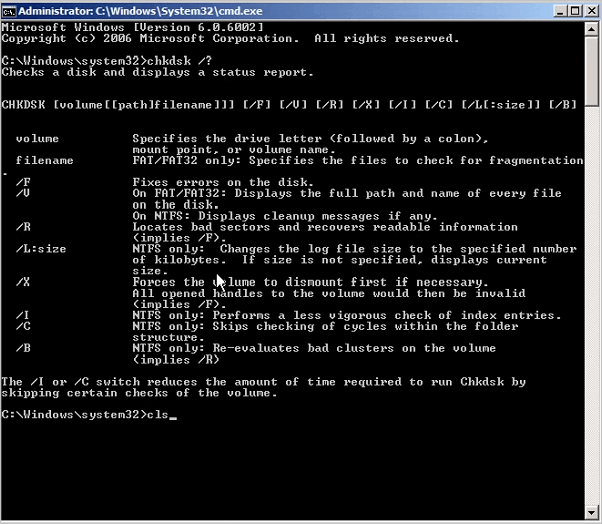
Step 3: Restart your computer. The CHKDSK utility will run automatically before the operating system loads.
Step 4: Wait for the CHKDSK utility to complete the disk scan and repair process. This may take some time, depending on the size of your disk and the number of errors found.
Step 5: Once the process finishes, your computer will restart normally. Check if the Downloads folder is now responsive.
Running CHKDSK can identify and fix disk errors that may be causing the unresponsiveness.
Solution 4: Clear Downloads Folder Cache
Clearing the cache of the Downloads folder can help resolve issues that may be causing it to become unresponsive. Follow these steps to clear the cache to fix the Windows 10 download folder not responding issue.
Step 1: Close any open File Explorer windows.
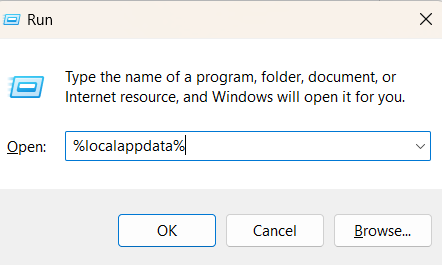
Step 2: Press the Windows key + R on your keyboard to open the Run dialog box.
Step 3: In the Run dialog box, type “%localappdata%” and press Enter. This will open the Local AppData folder.
Step 4: Locate and open the “Microsoft” folder.
Step 5: Within the “Microsoft” folder, locate and open the “Windows” folder.
Step 6: Scroll down and find the “Explorer” folder. Open it.
Step 7: Look for a file named “thumbcache_*.db” (the * represents a series of alphanumeric characters). Select and delete all such files.
Step 8: Close the File Explorer and restart your computer.
After the restart, the Downloads folder cache will be cleared. Check if the folder is now responsive. If the issue persists, try other solutions mentioned earlier.
Solution 5: Run the DISM Command
If the Downloads folder continues to be unresponsive, running the DISM (Deployment Image Servicing and Management) command can help repair potential issues with the Windows system image. Follow these steps to run the DISM command:
Step 1: Launch Command Prompt in Admin mode.
Step 2: In the Command Prompt window, type the following command and press Enter:
DISM /Online /Cleanup-Image /RestoreHealth
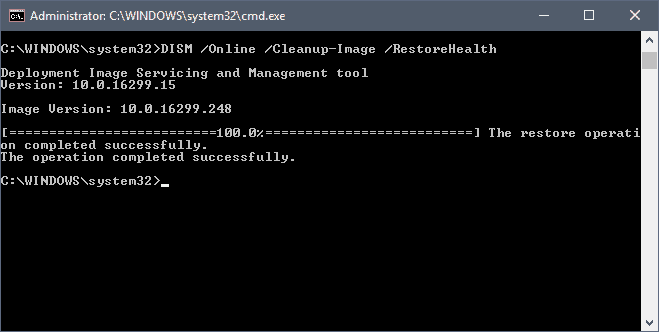
Step 3: Allow the DISM command to run and complete the process. This may take some time, so be patient and avoid interrupting it.
Step 4: Once the DISM command finishes executing, restart your computer.
Running the DISM command can help repair potential system image issues that might be affecting the Downloads folder’s responsiveness. After the restart, check if the Downloads folder is now responsive.
If the issue persists, you can also consider running additional system maintenance tools like Windows Update and antivirus scans to ensure your system is up to date and free of any malware.
Solution 6: Run the Windows Store Apps Troubleshooter
Running the Windows Store Apps Troubleshooter can help identify and resolve any issues specific to Windows Store apps, including the Downloads folder. Follow these steps to run the troubleshooter:
Step 1: Press the Windows key + I on your keyboard to open the Settings app.
Step 2: In the Settings window, switch to the “System” category from the left menu pane.
Step 3: Scroll down and select “Troubleshoot.”

Step 4: On the next window, select “Other troubleshooters.”
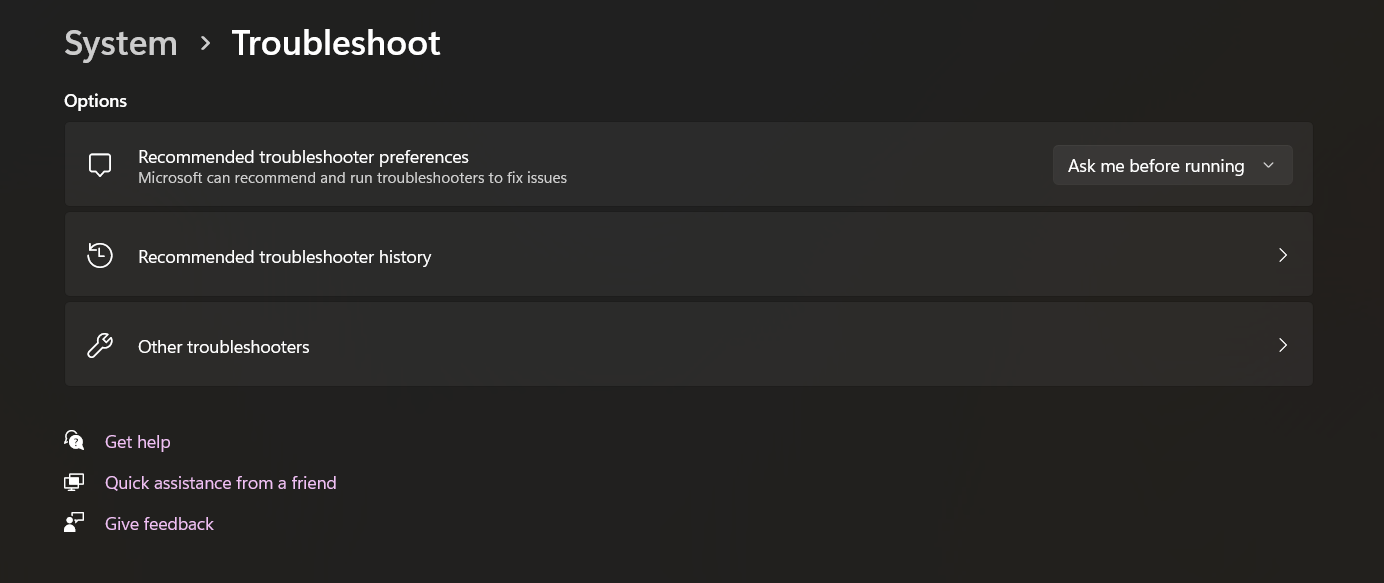
Step 5: Locate and select “Windows Store Apps” from the list of available troubleshooters.
Step 6: Click on “Run the troubleshooter” and follow the on-screen instructions.
Step 7: Allow the troubleshooter to scan for issues and attempt to fix them.
Step 8: After the troubleshooting process completes, restart your computer.
Once your computer restarts, check if the Downloads folder is now responding properly. If not, you can try other solutions mentioned earlier to resolve the issue.
Conclusion
Encountering the downloads folder not responding issue is a frustrating experience, but it is not without solutions. By following the troubleshooting steps outlined in this guide, such as running the SFC scan, customizing folder properties, running CHKDSK, clearing cache, and utilizing the Windows Store Apps Troubleshooter, you can tackle the issue effectively.
Remember to explore multiple solutions if one doesn’t work for you. With these strategies, you can restore the functionality of your Downloads folder and regain control over your files, optimizing your Windows experience.

Author Bio:
Dinesh Lakhwani, the entrepreneurial brain behind “TechCommuters,” achieved big things in the tech world. He started the company to make smart and user-friendly tech solutions. Thanks to his sharp thinking, focus on quality and the motto of never giving up, TechCommuters became a top player in the industry. His commitment to excellence has propelled the company to a leading position in the industry.
Popular Post
Recent Post

WMaster Cleanup PC Cleaner Tool: A Detailed Review
Your PC was fast on day one. Right? Every click felt instant, every app opened in a snap, and the fan barely made a sound. Then came the browser tabs, the half-finished downloads, and the apps you tried once and forgot to remove. Slowly, without any warning, that same machine started to feel tired. Boot-ups […]
BleachBit PC Cleaner Tool: Complete Review After Running Tests
A PC never stays clean on its own. Every app you open, every website you visit, and every file you download leaves something behind. Weeks turn into months, and suddenly your storage feels tight, and your PC feels slower, with no clear reason why. The usual fix is a cleaning tool. But the market is […]

Iolo System Mechanic Review: Full Breakdown and Honest Take
Iolo System Mechanic is designed for users who want their PC to feel fresh and responsive again. With just a few clicks, it digs into the system, clears out unnecessary clutter, and delivers noticeable speed improvements. The interface is straightforward and beginner‑friendly, making it easy to navigate without confusion. But this tool goes beyond simple […]

Clean Master for PC Tested: A Full Breakdown of Its Tools
A computer doesn’t slow down overnight. Right? It happens bit by bit. Extra downloads, leftover cache, startup apps piling up. Soon the fast machine you loved feels sluggish. Boot times drag, programs freeze, and even opening a browser tab feels heavy. This slow decline is common, caused by junk files, cluttered registries, and hidden tasks […]
How To Clean Your PC/Laptop: Guide for Beginners to Experts
A computer never announces that it needs help. Well, yes! It just gets slower, hotter, and noisier, one day at a time, until you finally stop and wonder what changed. Nothing changed overnight. What happened is dust and clutter, working quietly in the background for months. Dust settles inside fans and vents, trapping heat and […]

Wise Care 365 PC Cleaner Tool: A Hands-On Review
Every Windows user knows the feeling. Your computer runs fast on day one. Then months pass. Files pile up. The registry gets messy. Startup takes longer. Apps freeze more often. This slow decline is normal, but it is also annoying. Most people just live with it. Some restart their PC often, hoping it helps. It […]
Glary Utilities PC Cleaner: Complete Review [Tested and Trusted]
Glary Utilities is one of the most popular PC optimization tools available today. It combines cleaning, repair, and performance‑boosting features into a single suite. The goal is simple: keep your computer running fast and stable without needing multiple separate programs. In this review, we’ll look at how Glary Utilities performs in real use, what features […]
Microsoft PC Manager: Complete In-Depth Review
A slow computer can ruin your whole day. Files pile up. Startup apps multiply. Before you know it, your once fast machine feels sluggish and tired. Most people search for a fix, but many tools out there are bloated, pushy, or full of ads. Microsoft PC Manager was built to solve this exact problem. It […]
AVG TuneUp Guide: Features, Pros, Cons, and Pricing
PC performance often drops with time. Junk files build up. Startup programs increase. Storage fills up. As a result, your computer may take longer to boot, feel sluggish, or run out of space. The good news is that these problems are usually easy to fix. AVG TuneUp is a PC optimization tool for Windows. It […]

Ashampoo WinOptimizer: Features and Process [Complete Guide]
Ashampoo WinOptimizer is built for users who want a faster, cleaner, and safer PC. In this review, I’ll walk through its features and how the optimization process works. The software promises one‑click fixes, smart automation, and tools that go beyond basic cleanup. The PC cleaning and optimization tool covers performance tuning, privacy protection, and system […]
