Computer Cleaning Habits You Must Follow
Using a computer for long hours is part of everyday life, but proper care is often ignored. Even when a device looks fine on the outside, it quietly gathers dust, outdated files, and digital clutter that slow it down. Regular habits prevent these issues from piling up, helping your computer run faster, stay cooler, and remain stable even under heavy use.
Cleaning isn’t complicated. It only feels overwhelming when neglected for too long. A simple weekly routine makes a big difference, keeping your system smooth without requiring expert skills. Once these habits become second nature, your computer boots quickly, avoids random errors, and supports your work without interruptions.
Part 1: Why Cleaning Habits Matter for Every Computer
Cleaning protects both the machine and your data. A computer collects dust, heat, junk files, broken shortcuts, leftover app data, and temporary items created by the system. When these items stay untouched, they slow down the device. Some apps may start crashing. Start up time increases. Browsers freeze more often. These small signals show that your computer needs care.
A regular cleaning routine keeps your computer stable. Think of it as simple maintenance. A clean system uses fewer resources. It loads programs with ease. It stays safer because malware often hides inside random files left behind by apps. Cleaning also reduces stress on the hardware. Fans work with less pressure, the processor stays cool, and the hard drive has room to breathe. When each part works comfortably, the whole device performs better.
Part 2: Clean Physical Parts Often
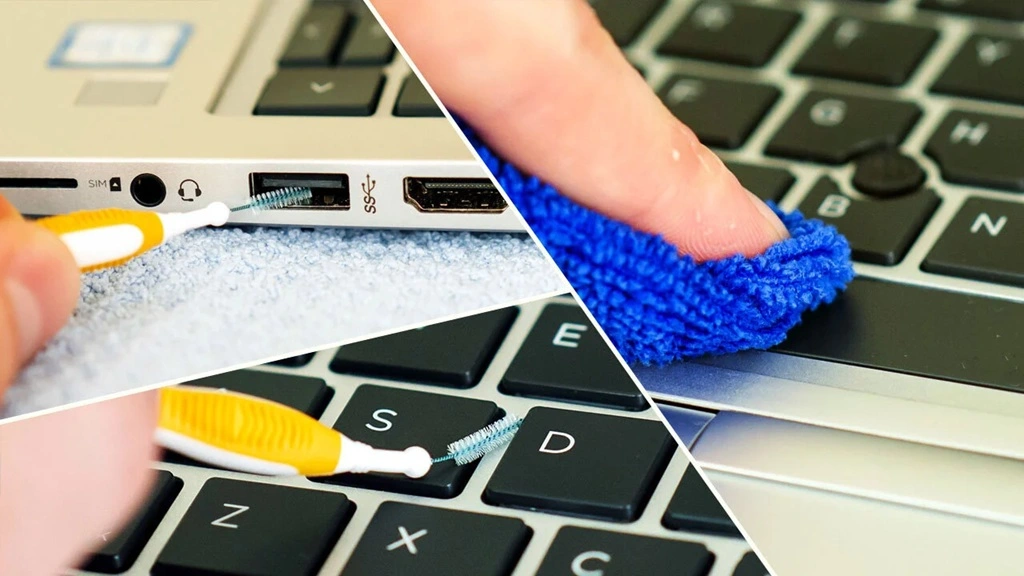
Physical cleaning is one of the most ignored tasks. Many users only wipe the screen occasionally and never clean the vents or keyboard. Dust enters through every small opening. It collects inside the case, around the fans, inside ports, and on top of the motherboard. When too much dust gathers, heat levels rise. Heat forces the system to slow down.
You can follow simple steps to clean the outer parts safely.
Steps for safe physical cleaning
Step 1: Turn off the computer
Never clean the computer while it is on. Wait until it has cooled down.
Step 2: Unplug the power cable
This protects both you and the device.
Step 3: Use a dry microfiber cloth
Gently wipe the screen, keyboard, and outer surface.
Step 4: Use compressed air for vents and fans
Hold the can upright. Blow short bursts of air into vents to remove dust.
Step 5: Clean the keyboard lightly
Turn it upside down and shake gently. Use compressed air between the keys.
Step 6: Clean the mouse
Wipe the top surface. Clean the underside carefully so the sensor works well.
Step 7: Make your desk clean
A dusty desk brings more dust into the system. Keep the workspace neat to reduce buildup.
Doing this once every week or two keeps your computer cool and helps the parts last much longer.
Part 3: Remove Junk Files and Temporary Data
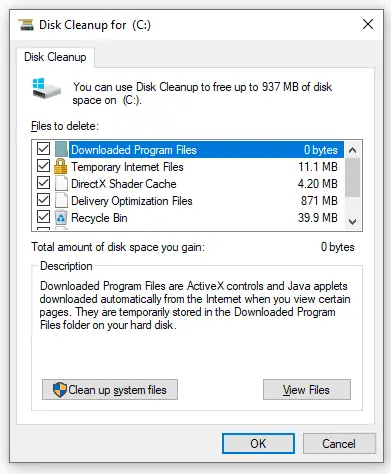
Software cleaning is just as important as physical cleaning. Every time you use your system, it creates temporary files. Browsers save cached pages. Updates leave logs behind. Apps create leftover files that stay even after removal. Over time, these small items fill up storage.
When storage becomes tight, the system slows down. Programs need space to run properly. Removing junk files is one of the fastest ways to improve performance.
Follow these steps to remove junk files
Step 1: Open the system cleanup tool
Windows has Disk Cleanup or Storage Sense. Both scan your system for junk.
Step 2: Select the items you want to remove
This often includes temporary files, cache, old updates, thumbnails, and delivery optimization files.
Step 3: Clear the browser cache
Go to browser settings and find the clear browsing data option. Select cache, cookies, and history if needed.
Step 4: Delete items in the Downloads folder
This folder collects old installers, random documents, and files you no longer need.
Step 5: Uninstall unused apps
Some apps run in the background and consume memory. Remove them if you do not use them often.
Quick reminders
- Junk files gather every day.
- Clearing them keeps the system light.
- Always check the size of the Recycle Bin.
This habit keeps your computer running smoothly. It also frees enough space for updates and new apps.
Part 4: Organize Files and Keep Storage Neat
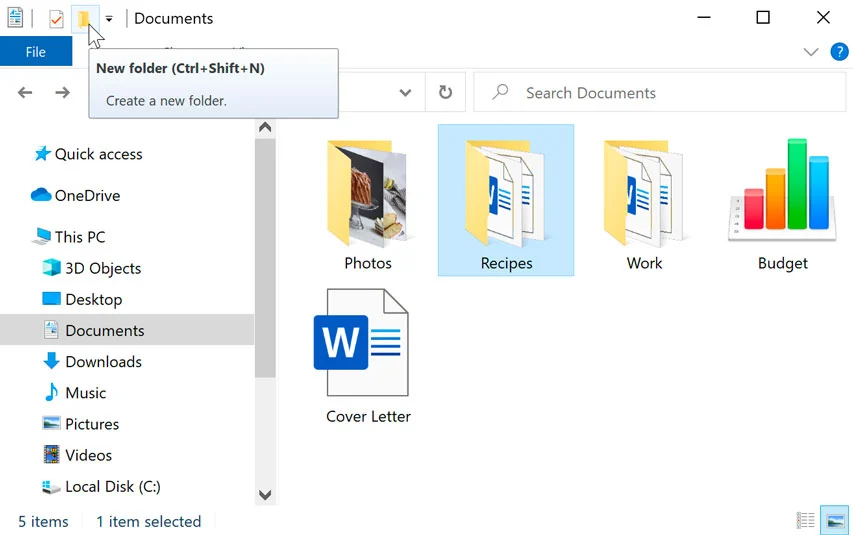
A messy file structure can create confusion and slow down your system. Many users save everything on the desktop. This may look simple, but it affects the computer. A crowded desktop can slow startup and create visual clutter.
File management is part of good computer cleaning. You do not need advanced skills. Just follow the simple steps.
Steps for keeping your files organized
Step 1: Create clear folders
Make folders such as Work, Personal, Photos, Videos, and Projects.
Step 2: Move items off the desktop
Keep only shortcuts on the desktop. Move real files into their folders.
Step 3: Remove duplicate files
Duplicates waste space and confuse you. Delete them when you find them.
Step 4: Archive old items
Place old files in a folder named Archive or Old Files. This keeps your main folders lean.
Step 5: Check storage usage regularly
Look at which folders take up the most space. Remove items you no longer need.
With clean storage, the system does not strain itself. You also find your documents faster. This saves time and keeps your workflow smooth.
Part 5: Keep Software Updated
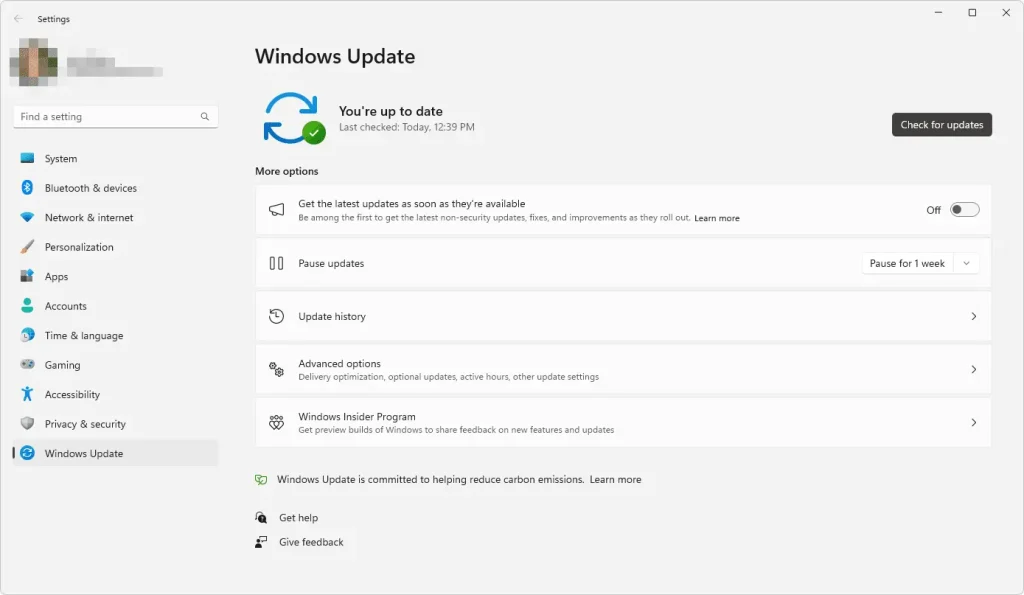
Updates may feel annoying, but they are important. Old versions contain bugs, security issues, and performance problems. Updates fix these flaws and make your system stronger.
Ignoring updates may cause your apps to crash more often. Your computer may also become open to threats. Updates often improve speed because they optimize how the system handles memory.
Follow these update steps
Step 1: Check for Windows updates
Go to Settings and open the Update section. Install all important updates.
Step 2: Update your apps
Open the Microsoft Store or the app’s internal update tool. Install available updates.
Step 3: Update drivers
Drivers control your hardware parts. A new driver can improve performance and fix issues.
Step 4: Turn on automatic updates
This keeps your system updated without effort.
Updates keep the computer secure. They also help software run at full potential.
Part 6: Strengthen Security and Remove Threats
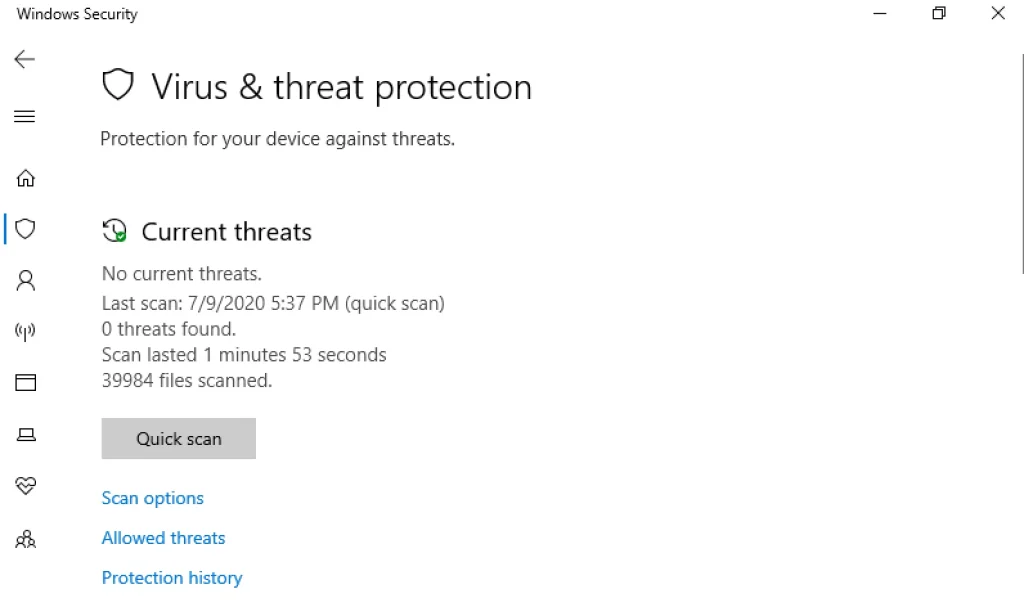
Viruses, malware, and unwanted programs behave like dirt inside the system. They reduce speed, display unwanted ads, steal data, or damage files. Cleaning your system also means removing security threats.
Security habits form an important part of computer cleaning. A harmful file can hide anywhere. Good cleaning habits protect both your system and your personal information.
Important security habits
- Install a reliable antivirus tool.
- Run full scans every week.
- Avoid unsafe sites.
- Do not open unknown email attachments.
- Check installed apps regularly.
- Remove suspicious programs at once.
Steps to clean threats
Step 1: Run a full antivirus scan
A full scan finds deep threats that quick scans may miss.
Step 2: Remove flagged items
Delete or quarantine harmful files.
Step 3: Check browser extensions
Remove extensions you do not trust or use.
Step 4: Review startup programs
Some malware runs at startup. Remove any unknown program from the startup list.
Good security habits reduce risk and remove harmful items before they cause trouble.
Part 7: Control Startup Programs and Background Apps
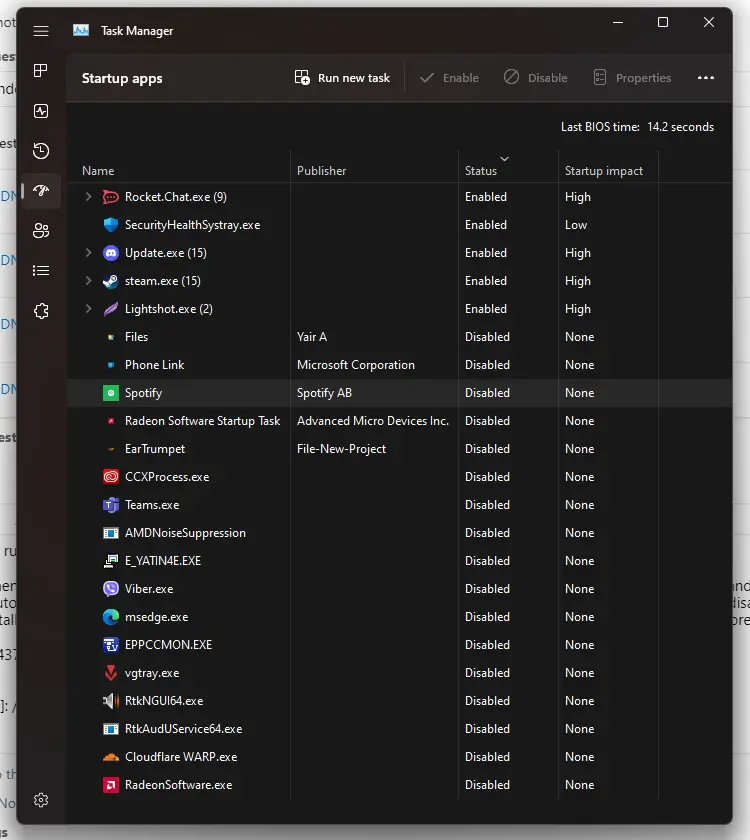
Startup programs load automatically when the computer turns on. Some are useful, but many are not. Too many startup apps slow the boot process. You will notice a delay when the desktop loads.
Controlling startup apps is a simple habit that improves speed. Background apps also consume memory. Cleaning them helps your system run smoothly even when many programs are open.
Steps for managing startup apps
Step 1: Open Task Manager
Go to the Startup tab.
Step 2: Disable non-essential programs
Disable items you do not use at startup. Keep only important ones like antivirus.
Step 3: Check background apps
Turn off apps that run silently and waste memory.
Step 4: Restart the system
You will notice a smoother start after the restart.
This habit takes only a few minutes but gives strong results.
Part 8: Clean Browsers for Smooth Internet Use
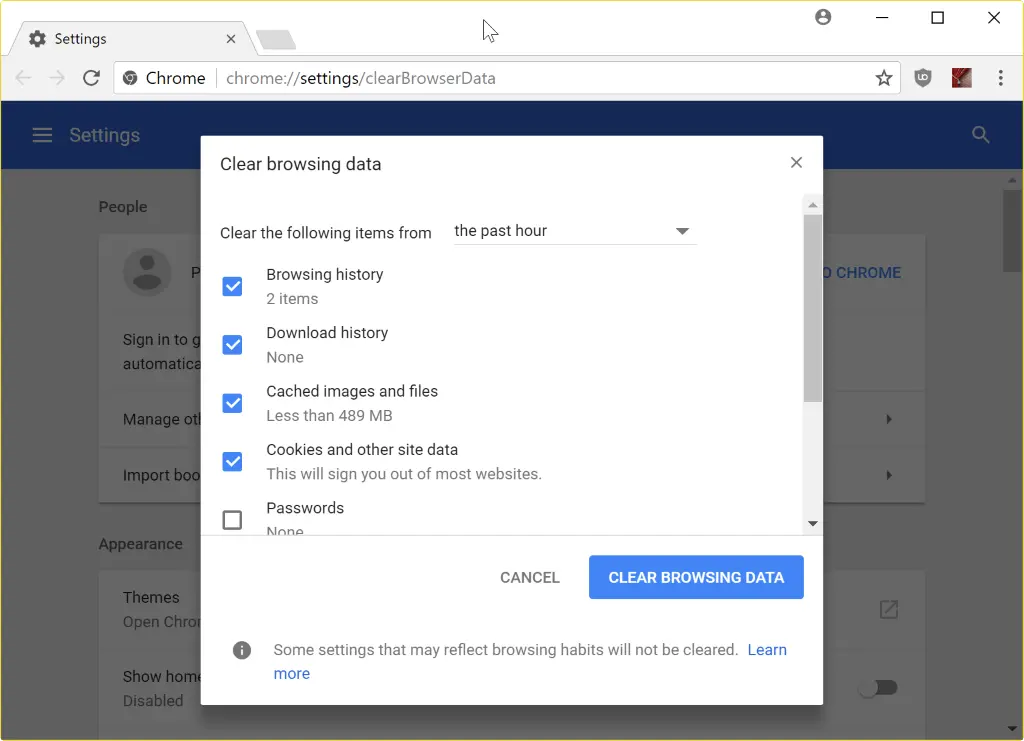
Your browser collects a large amount of data. This includes saved history, cookies, cached pages, videos, forms, and many small items. These items slow down loading speed and sometimes cause websites to break.
A clean browser improves your internet speed. Pages load quicker. Videos play smoothly. You avoid issues caused by outdated cached data.
Steps for cleaning your browser
Step 1: Open the browser menu
Go to the settings or privacy section.
Step 2: Clear browsing data
Select history, cached images, and cookies.
Step 3: Remove unused extensions
Some extensions slow down the browser. Remove the ones you do not need.
Step 4: Reset the browser if needed
A full reset clears deep problems without harming your main files.
Benefits of cleaning your browser
- Faster loading.
- Fewer freezes.
- Improved privacy.
- Less background data usage.
A clean browser helps your computer stay responsive even during heavy browsing hours.
Conclusion
A clean computer runs faster, lasts longer, and protects your work from sudden problems. The habits listed here are simple and easy to follow. They do not require advanced skills or expensive tools. A regular cleaning routine improves speed and keeps your device ready for everyday tasks without stress.
When you clean both the outside and the inside of the system, you build a complete care routine. The computer remains stable, safe, and strong even after years of use. Good habits prevent major breakdowns. They also save money because you avoid unnecessary repairs.
With the right attention at the right time, your computer becomes a reliable partner for work, study, and personal tasks.
FAQs:
1. I am scared that cleaning my computer may delete something important. What should I do?
You can avoid mistakes by removing only items marked as temporary files, cache, or leftover update files. These are safe to delete. Before cleaning, check the list shown by your cleanup tool. If you feel unsure, take a quick backup of your personal folders. This gives you peace of mind while cleaning and keeps your data safe.
2. What will I lose if I ignore cleaning habits for too long?
You may lose speed, storage space, and system health. Dust can raise heat, which shortens the life of the parts. Junk files can slow down apps and cause freezes. Old browser data may expose your privacy. Cleaning on time prevents these problems and keeps your computer in good shape.
3. My computer is getting slower each week. What should I check first?
Start by checking startup apps, browser data, and junk files. These items often cause slowdowns. If the speed does not improve after cleaning, then check storage health, updates, and antivirus results. This helps you find the real cause and fix the issue before it gets worse.

Author Bio:
Dinesh Lakhwani, the entrepreneurial brain behind “TechCommuters,” achieved big things in the tech world. He started the company to make smart and user-friendly tech solutions. Thanks to his sharp thinking, focus on quality and the motto of never giving up, TechCommuters became a top player in the industry. His commitment to excellence has propelled the company to a leading position in the industry.
Popular Post
Recent Post
BleachBit PC Cleaner Tool: Complete Review After Running Tests
A PC never stays clean on its own. Every app you open, every website you visit, and every file you download leaves something behind. Weeks turn into months, and suddenly your storage feels tight, and your PC feels slower, with no clear reason why. The usual fix is a cleaning tool. But the market is […]

Iolo System Mechanic Review: Full Breakdown and Honest Take
Iolo System Mechanic is designed for users who want their PC to feel fresh and responsive again. With just a few clicks, it digs into the system, clears out unnecessary clutter, and delivers noticeable speed improvements. The interface is straightforward and beginner‑friendly, making it easy to navigate without confusion. But this tool goes beyond simple […]
Clean Master for PC Tested: A Full Breakdown of Its Tools
A computer doesn’t slow down overnight. Right? It happens bit by bit. Extra downloads, leftover cache, startup apps piling up. Soon the fast machine you loved feels sluggish. Boot times drag, programs freeze, and even opening a browser tab feels heavy. This slow decline is common, caused by junk files, cluttered registries, and hidden tasks […]
How To Clean Your PC/Laptop: Guide for Beginners to Experts
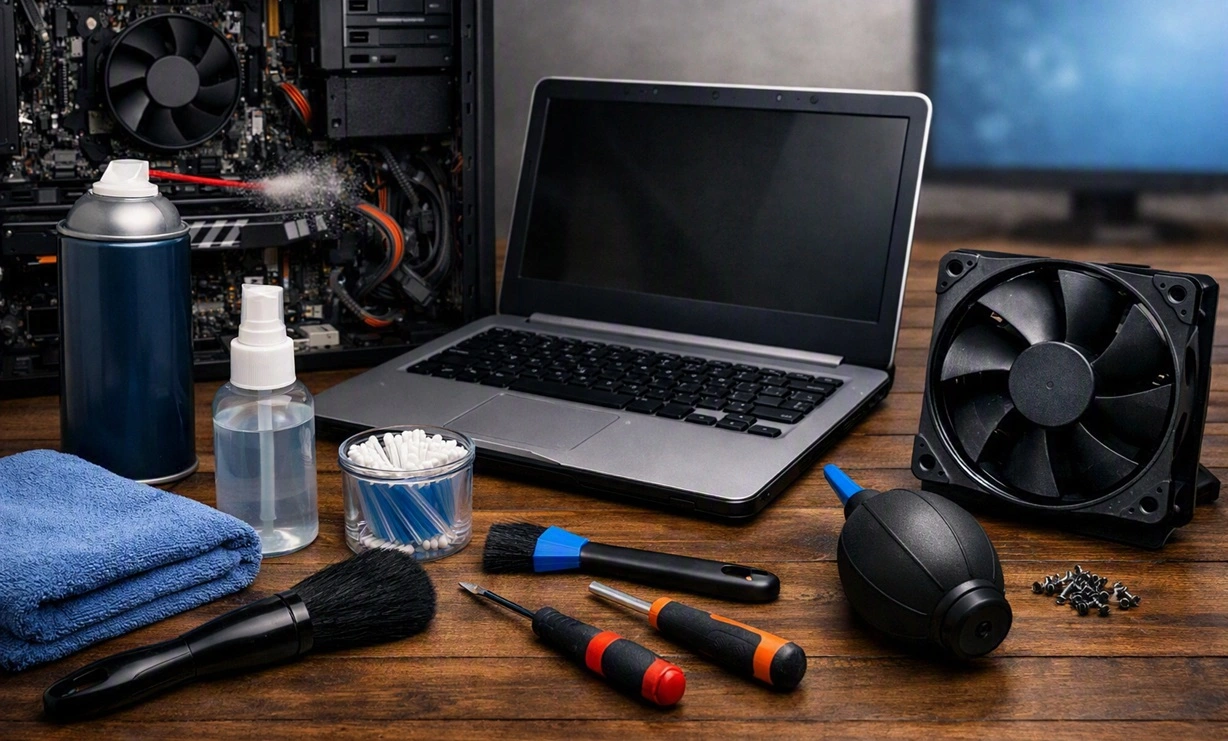
A computer never announces that it needs help. Well, yes! It just gets slower, hotter, and noisier, one day at a time, until you finally stop and wonder what changed. Nothing changed overnight. What happened is dust and clutter, working quietly in the background for months. Dust settles inside fans and vents, trapping heat and […]

Wise Care 365 PC Cleaner Tool: A Hands-On Review
Every Windows user knows the feeling. Your computer runs fast on day one. Then months pass. Files pile up. The registry gets messy. Startup takes longer. Apps freeze more often. This slow decline is normal, but it is also annoying. Most people just live with it. Some restart their PC often, hoping it helps. It […]
Glary Utilities PC Cleaner: Complete Review [Tested and Trusted]
Glary Utilities is one of the most popular PC optimization tools available today. It combines cleaning, repair, and performance‑boosting features into a single suite. The goal is simple: keep your computer running fast and stable without needing multiple separate programs. In this review, we’ll look at how Glary Utilities performs in real use, what features […]
Microsoft PC Manager: Complete In-Depth Review
A slow computer can ruin your whole day. Files pile up. Startup apps multiply. Before you know it, your once fast machine feels sluggish and tired. Most people search for a fix, but many tools out there are bloated, pushy, or full of ads. Microsoft PC Manager was built to solve this exact problem. It […]
AVG TuneUp Guide: Features, Pros, Cons, and Pricing
PC performance often drops with time. Junk files build up. Startup programs increase. Storage fills up. As a result, your computer may take longer to boot, feel sluggish, or run out of space. The good news is that these problems are usually easy to fix. AVG TuneUp is a PC optimization tool for Windows. It […]

Ashampoo WinOptimizer: Features and Process [Complete Guide]
Ashampoo WinOptimizer is built for users who want a faster, cleaner, and safer PC. In this review, I’ll walk through its features and how the optimization process works. The software promises one‑click fixes, smart automation, and tools that go beyond basic cleanup. The PC cleaning and optimization tool covers performance tuning, privacy protection, and system […]
Top 10 PC Cleaning and Optimization Tools For Windows 11/10 [2026]
Discover the best PC cleaning and optimization tools for Windows 11 and 10. Remove junk files, improve speed, and keep your PC healthy with trusted cleaners.
